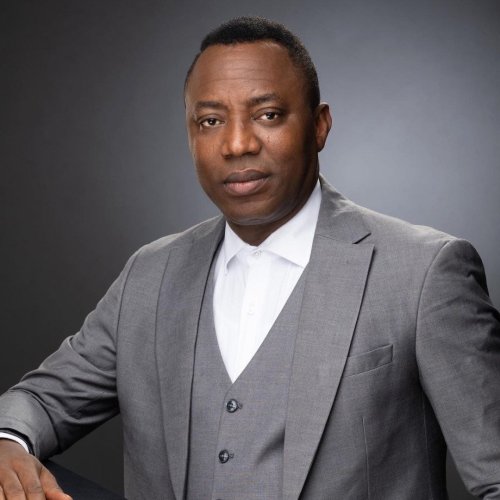

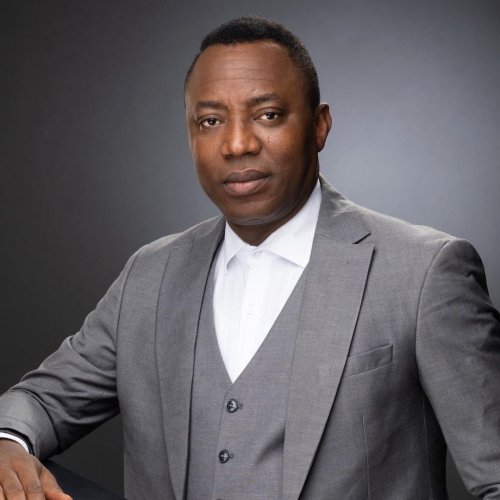
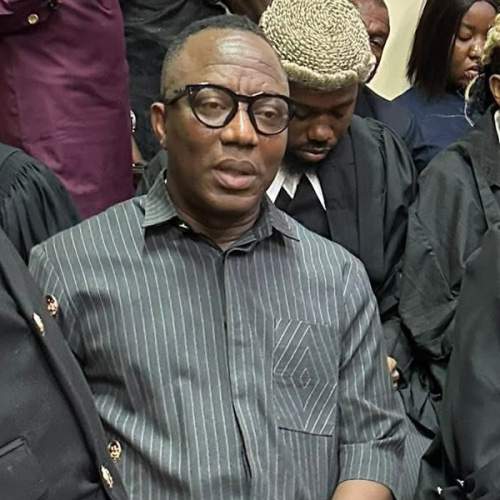
The Federal High Court in Abuja on Tuesday granted bail to human rights activist and African Action Congress presidential candidate Omoyele Sowore in his ongoing cybercrime and criminal defamation case.
Justice Mohammed Umar fixed the bail at ₦200 million with two sureties in like sum. One surety must be a traditional ruler from Sowore’s community in Ese-Odo Local Government Area of Ondo State. The second must own landed property in the Federal Capital Territory.
Sowore must also surrender his international passport to the court’s deputy registrar. The sureties require verification by the prosecution. The case was adjourned to July 6 for continuation of hearing.
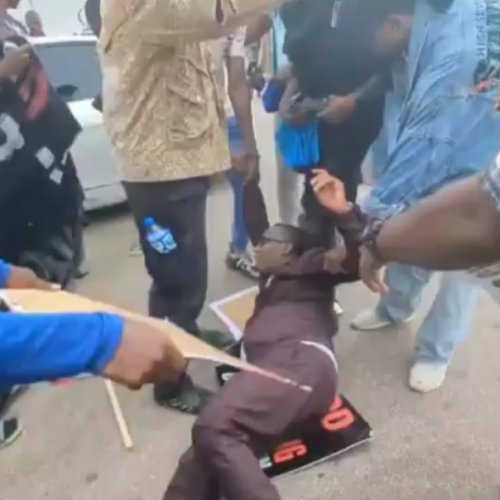
However, drama unfolded outside the courtroom. Supporters blocked security operatives attempting to take Sowore away despite the bail grant. Videos circulating on social media showed tense confrontations between Sowore’s loyalists and Department of State Services personnel.
This mirrors earlier incidents. On June 22, supporters clashed with operatives after Sowore’s remand at Kuje Correctional Centre following bail revocation. DSS later probed its operatives’ conduct amid public outcry over a video of Sowore being dragged.
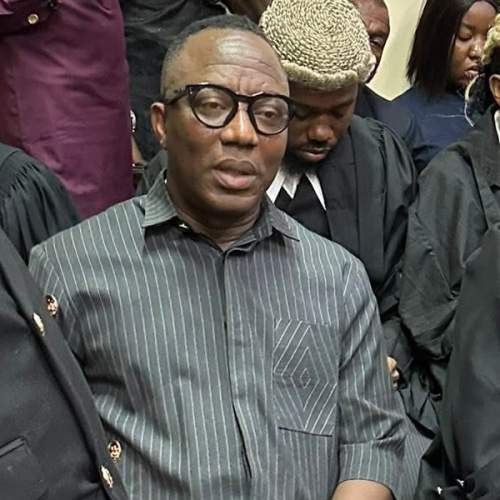
The case stems from Sowore’s social media posts allegedly referring to President Bola Tinubu as a “criminal.” He pleaded not guilty. Bail was initially granted on self-recognition in December 2025 but revoked on June 16 after Sowore missed a court date.
Sowore’s absence prompted a bench warrant. He returned to court and challenged the revocation. The court dismissed his recusal application against the judge on grounds of alleged bias.
Reactions poured in swiftly. Supporters accused security agencies of undermining judicial authority. “If court don grant bail, make dem allow am go,” one observer noted on social media amid the latest standoff.
Critics of the government view the repeated legal hurdles as harassment of opposition voices. Civil society groups and figures like Amnesty International have previously condemned Sowore’s detention.
The DSS has maintained it did not oppose earlier bail and acted on court directives. It emphasized due process in the cybercrime prosecution.
Sowore, founder of Sahara Reporters, remains a vocal critic of successive administrations. His activism dates back to student days at the University of Lagos. This latest episode adds to a pattern of arrests and court battles that have defined his public life.
As proceedings continue, questions linger over the balance between national security, free speech, and judicial independence. The July 6 hearing will likely clarify next steps once bail conditions are met.

Comments
No comments yet. Be the first to comment!