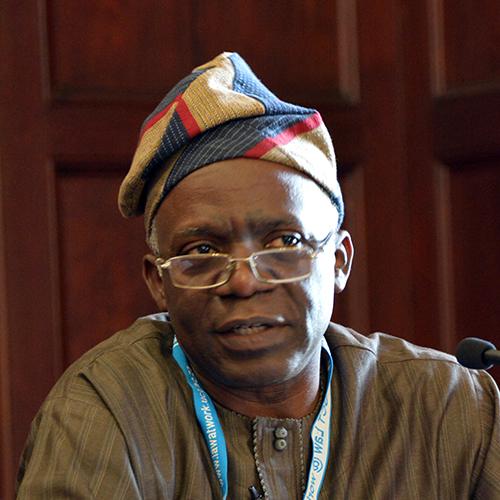

Human rights lawyer Femi Falana, SAN, has reminded authorities that negotiating with terrorists or bandits carries severe legal consequences. He made the remarks amid growing concerns over insecurity in Nigeria.
Falana stated clearly during a public address that engaging in such dealings violates the law. “By virtue of Section 12 of the Terrorism Prevention and Prohibition Act, negotiating with criminals or holding meetings with terrorists carries a penalty of 20 years imprisonment with no option of fine,” he said.
He directed the message at government officials and those considering reintegration programmes for so-called repentant offenders. Falana questioned how individuals who had beheaded citizens, killed children, and collected ransom could be deemed repentant.
The senior advocate spoke during protests organised by the Nigeria Labour Congress and civil society groups in Lagos. The demonstration, held around June 12, 2026, focused on insecurity, kidnappings, and economic hardship.
Falana urged an end to ransom payments, arguing they fuel the crime. He advocated for better training and equipping of security forces instead. He also called for the prosecution of over 400 alleged terrorism financiers arrested years earlier.
Section 12 of the 2022 Act specifically addresses terrorist meetings. It penalises anyone who arranges, participates in, or provides support for activities linked to terrorist groups.
His comments come against a backdrop of ongoing debates on government approaches to banditry and insurgency. Some states have explored dialogue and rehabilitation, while critics like Falana insist on strict enforcement of the law.
Falana has consistently pushed for accountability. In December 2025, he urged the Nigerian Bar Association to sanction state Attorneys-General failing to prosecute terror suspects. He noted that hundreds of arrested bandits and terrorists remained uncharged.
Reactions on social media reflected divided opinions. Some users praised Falana’s stance on upholding the law. Others highlighted the practical challenges of dealing with complex security threats in affected regions.
The lawyer also joined calls for the rescue of abducted schoolchildren and teachers during the June protests. He expressed concern over their suffering in captivity.
Falana stressed that addressing both physical and social insecurity is essential. He linked poverty and unemployment to the persistence of criminality.
As insecurity remains a major national issue, Falana’s intervention adds to pressure on authorities. His remarks underscore the tension between security strategies and legal boundaries. No immediate official response to his specific warning on negotiations has been reported.














Comments
No comments yet. Be the first to comment!