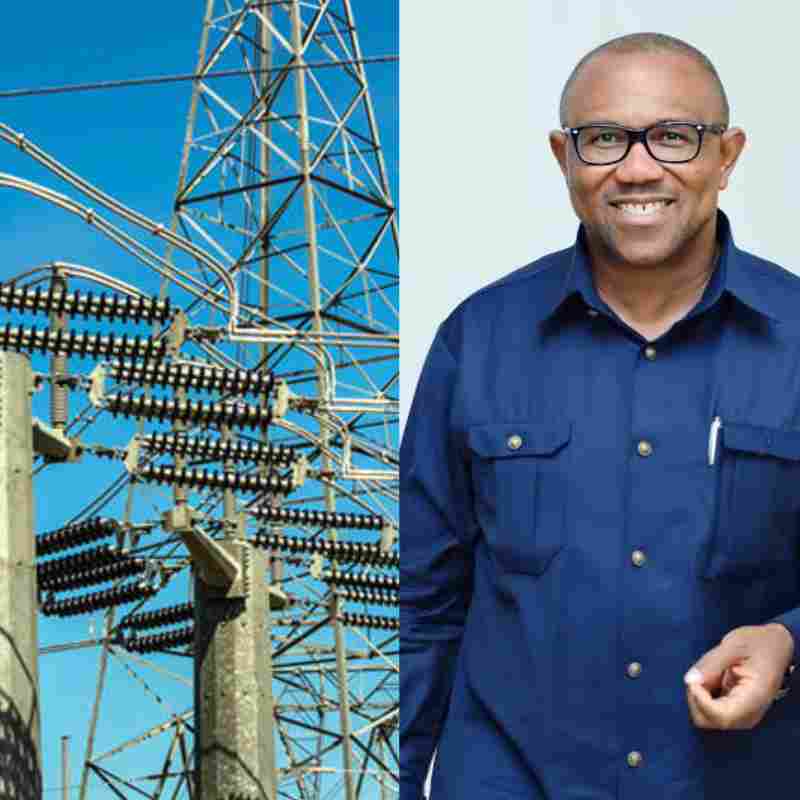

Nigeria plunged into darkness on Friday, January 23, 2026, as the national electricity grid suffered its first collapse of the year. All 23 connected generation plants went offline around 12:40 p.m., dropping power output to a mere 20-24 MW and leaving distribution companies with zero supply nationwide.
The outage, triggered by multiple trips on 330kV transmission lines according to the Nigerian Independent System Operator (NISO), affected major cities like Lagos, Abuja, and Port Harcourt. While restoration began in the afternoon, many households and businesses endured hours without electricity.
This incident reignites frustration over Nigeria's persistent power woes. With an effective capacity of around 5,000 MW for over 200 million people, the grid has a long history of failures, often linked to aging infrastructure, transmission bottlenecks, and gas supply issues.
Former Labour Party presidential candidate Peter Obi didn't hold back. In a pointed statement, he described the recurring collapses as a “national shame” and “utterly disappointing,” noting that the pattern has continued into 2026 despite promises of improvement. He contrasted Nigeria’s struggles with higher capacities in countries like South Africa and Egypt, calling it a glaring failure of leadership.

Meanwhile, pockets of light remained in places like Aba, where an independent power plant kept the area supplied. Yet for most Nigerians, the blackout served as a stark reminder of ongoing challenges.
As investigations continue, the collapse highlights the urgent need for reforms. Until then, the nation waits in the dark, again.













Comments
No comments yet. Be the first to comment!