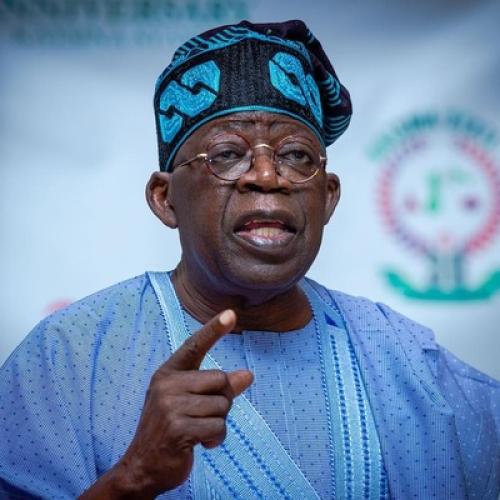

President Bola Ahmed Tinubu has pledged to create five million new ocean-based jobs by 2035 through Nigeria’s National Blue Economy Action Plan. The announcement came during the 11th Our Ocean Conference in Mombasa, Kenya.
The pledge prioritises youth and women. It positions the ocean economy as a driver for diversification, food security, and wealth creation. Nigeria boasts an 853-kilometre coastline and strategic Gulf of Guinea access.
Ambassador Sola Enikanolaiye, Minister of State for Foreign Affairs, represented President Tinubu at the event held from June 16 to 18. The conference marked the first time hosted on African soil under the theme “Our Ocean, Our Heritage, Our Future.”
In the presidential message, Tinubu stated: “We pledge to create five million new ocean-based jobs by 2035, prioritising youth and women.” He described the ocean as “our common heritage” whose future depends on collective action today.
The statement emphasised Nigeria’s commitment to ocean governance. It highlighted efforts against illegal fishing, marine pollution, and piracy through initiatives like the Deep Blue Project. Nigeria also aims to expand marine protected areas and restore mangroves.
Tinubu’s address noted: “For Nigeria, the ocean is not only a source of prosperity but also a pillar of sovereignty, security and climate resistance.” He added that the health of oceans determines continental stability and prosperity.
Further commitments include stronger maritime security cooperation and equitable access to financing and technology. Nigeria offered its maritime expertise for regional collaboration under rules-based governance like UNCLOS.
Social media reactions on X reflected wide interest. Accounts like Instablog9ja and ARISE NEWS shared the announcement promptly, sparking discussions on economic potential. No major controversies emerged in early responses.
The Federal Ministry of Marine and Blue Economy, established in 2023, leads these efforts. It builds on port modernisation and anti-piracy measures to unlock sectors like fisheries, shipping, tourism, and renewable energy.
Critics may question the timeline’s feasibility amid current economic challenges. Yet the plan aligns with broader African blue economy goals, estimating significant continental opportunities.

Tinubu concluded: “Nigeria comes to Mombasa with a clear message: our ocean is our heritage and its future depends on collective action. We stand ready to lead, to collaborate and to contribute to building a continent where maritime sovereignty is respected, security is guaranteed and prosperity is shared.”
He ended with calls for unity: “Together, let us ensure that the ocean remains a source of life, peace and opportunity for generations to come. Long live Africa’s unity. Long live our oceans. Long live the Federal Republic of Nigeria.”













Comments
No comments yet. Be the first to comment!