
Rapper YCEE recently sparked widespread discussion with his comments on what he termed the "Olodo Uprising" in Nigeria. He highlighted a cultural shift where academic excellence is overlooked in favor of viral, low-effort content.
In a podcast interview, YCEE described the trend as an attempt to accommodate unintelligent and ignorant behavior to avoid making people feel bad. He noted that such actions have made them the majority.
He contrasted this with past issues like Yahoo culture, now pointing to "Peller culture" as an example. YCEE emphasized rewarding shallow content and quick fame over substance, while clarifying no personal shade toward content creator Peller.
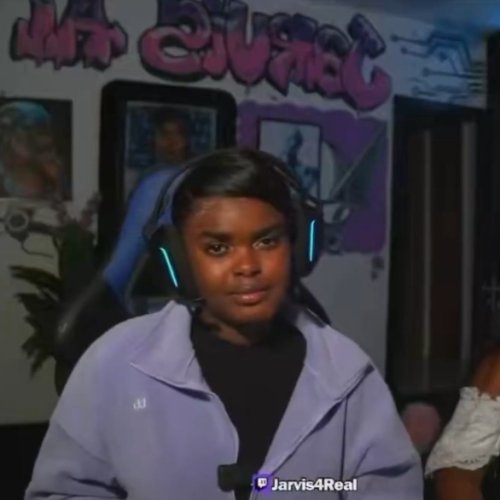
The remarks drew varied reactions online. Peller responded by addressing the need for those without formal education to earn a living. His wife, Jarvis, also weighed in, questioning expectations for graduates amid limited opportunities.
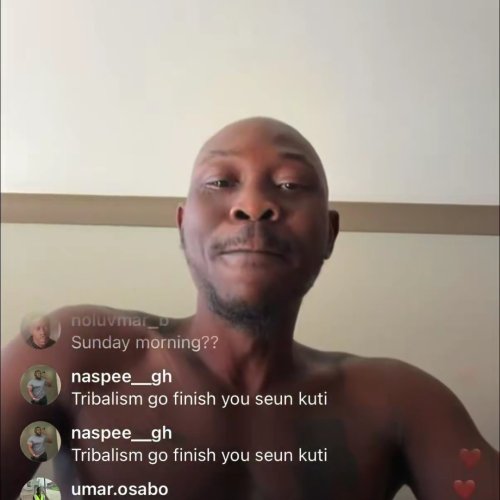
Seun Kuti publicly applauded YCEE's stance. In a live Instagram video, the singer expressed strong support, stating he must buy YCEE two bottles of XO when they meet.
Kuti's endorsement added fuel to the conversation on education, fame, and societal values. Many viewed it as validation of concerns about declining emphasis on intellectual pursuits.
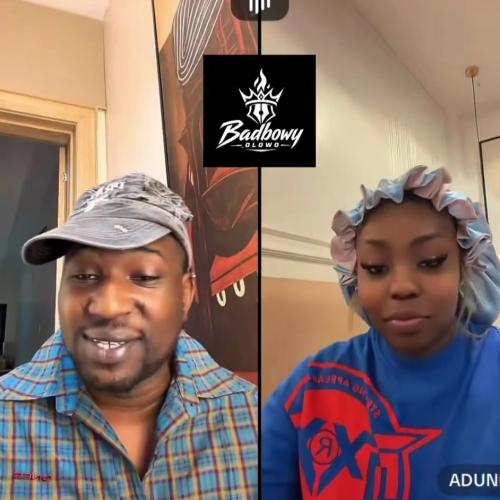
Separately, VeryDarkMan released a reply video addressing Seun Kuti.
The "Olodo Uprising" debate reflects broader tensions in Nigerian society. It questions how social media influences youth priorities between quick virality and long-term education.
Critics of YCEE argued his views overlook economic realities facing many young Nigerians. Supporters praised him for addressing what they see as a dangerous normalization of mediocrity.
YCEE's comments, though part of a larger interview, resonated widely. They touched on mental health challenges he faced and his observations upon returning to the spotlight after years away.

As reactions continue, the discourse highlights divides on success, education, and cultural values. Public figures like Seun Kuti and VeryDarkMan underscore how personal and ideological differences intersect with these issues.
The conversation remains active across platforms. It prompts reflection on what kind of culture Nigeria is building for its youth amid evolving digital landscapes.











Comments
No comments yet. Be the first to comment!