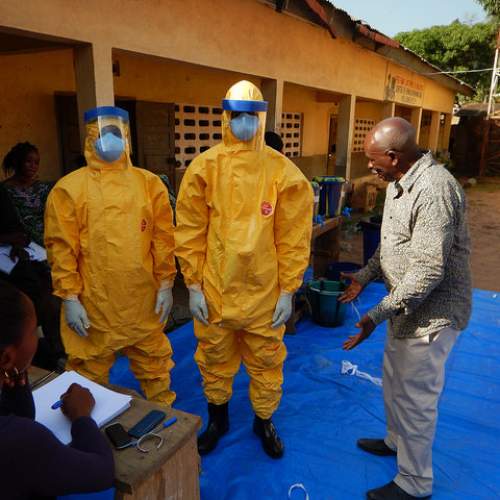

Nigeria is on high alert as the Federal Government intensifies efforts to prevent Ebola from crossing its borders. Health authorities report no confirmed cases in the country.
The Nigeria Centre for Disease Control and Prevention activated emergency preparedness after the World Health Organisation declared a Public Health Emergency of International Concern around mid-May. The Bundibugyo strain is spreading in parts of the Democratic Republic of Congo and Uganda.
Port Health Services have ramped up thermal screening and passenger checks at major airports including Lagos and Abuja, as well as land borders and seaports.
Officials are reviewing isolation facilities and conducting simulation drills. Laboratory testing capacity is being strengthened nationwide.
The NCDC has placed high-risk states such as Lagos, FCT, Kano, and Rivers on maximum alert. Health workers received fresh guidelines on infection prevention.

Federal officials are considering possible flight restrictions from affected regions. Nigerians are advised to avoid non-essential travel to outbreak zones and report symptoms early.
The government draws lessons from the successful 2014 containment. NCDC Director General assured citizens to remain calm while maintaining hygiene practices.
Public reactions on X reflect cautious vigilance, with many sharing official advisories and calling for strict border enforcement. No major controversies have emerged.
Health experts urge reliance on verified channels to avoid misinformation as surveillance continues across communities.














Comments
No comments yet. Be the first to comment!