

Fame in Nigeria moves fast: a single hit, a viral performance or the right manager can make an artist unmissable. But the reverse is equally true, careers slip, sometimes quietly and sometimes amid scandal. Look closely and you’ll see common fault lines: contracts that strip control, industry gatekeeping, and deliberate pivots away from showbiz. Three careers - Cynthia Morgan (Madrina), Terry G and Banky W show how different forces conspire to dim a star.
1. Cynthia Morgan (aka “Madrina”)
Cynthia Morgan exploded onto the scene as a dancehall-pop force with songs like “Don’t Break My Heart.” Years of hits and a recognizable persona made her valuable beyond music: a brand, an identity. But her trajectory turned into a cautionary tale about intellectual property and contract power. Public disputes with Jude Okoye’s Northside/EME-linked circle left her publicly claiming she lost control of her stage name, royalties and social accounts, essentially the keys to her public presence. The legal and contractual squeeze meant long stretches of silence in which fans could only speculate while the artist fought for control behind the scenes. The net effect: an artist who was still talented but legally muzzled and commercially sidelined.
Why it matters beyond one person: when artists sign away names, masters, or social platforms, they risk becoming a brand someone else owns. The public reads absence as decline; the real story is often paperwork and revenue streams redirected away from the creator.

2. Terry G
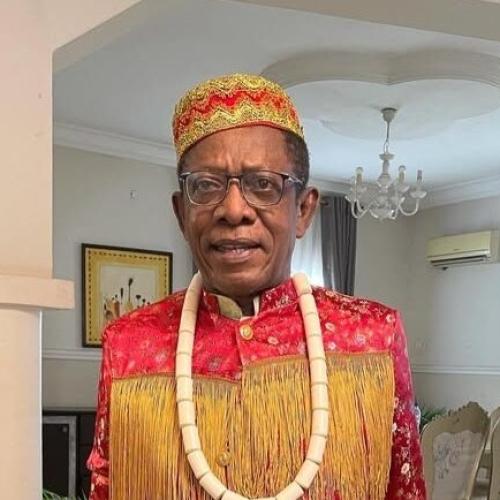
Terry G’s early sound, erratic, energetic, uniquely streetwise, engraved him into Nigerian pop culture. Unlike the Cynthia Morgan story, Terry G’s fade isn’t told as a single legal loss but as an artist pushed to the margins by a changing ecosystem. In interviews he has described an industry increasingly run on networks, cliques and controversially cult-like structures he says prevent independent artists from competing on equal footing. He even announced a withdrawal from music for personal reasons, and later blamed “frat systems” that gatekeep opportunities and shows. Whether his claims are contested or not, the pattern is clear: when the pathways to radio, stages and collaborations close (or are perceived to close), many artists find the cost of fighting the system higher than staying active.
This points to a structural problem: music scenes thrive on open channels, playlists, clubs, radio and festivals. If those become controlled by networks that reward insiders, talent that does not or will not play by the rules is squeezed out of visibility.

3. Banky W (Bankole Wellington)
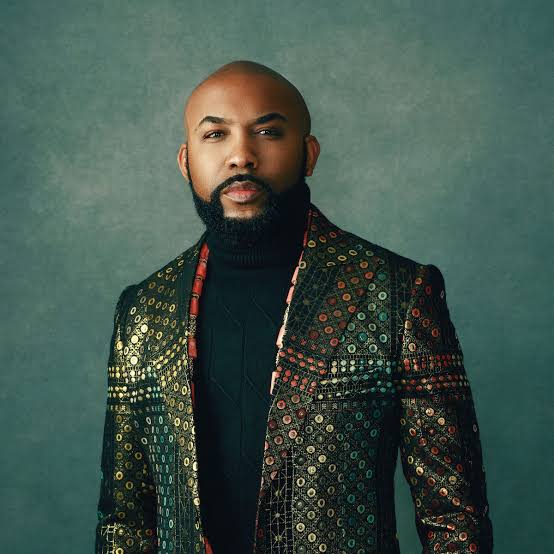
Banky W’s story is the opposite of a disappearance: it’s a conscious evolution. From R&B hits and running Empire Mates Entertainment (EME) to running for office and rebranding EME into a creative agency, Wellington stepped away from the music-as-primary identity and toward politics, business and family. His recent completion of a Master’s in Policy Management at Georgetown University is the latest pivot, deliberate, public and respectable. Yet for many fans, “less music” equals “fading.” Banky W’s choice shows how public perception confuses presence with attention: stepping off the track doesn’t equal irrelevance; it’s a career reallocation.
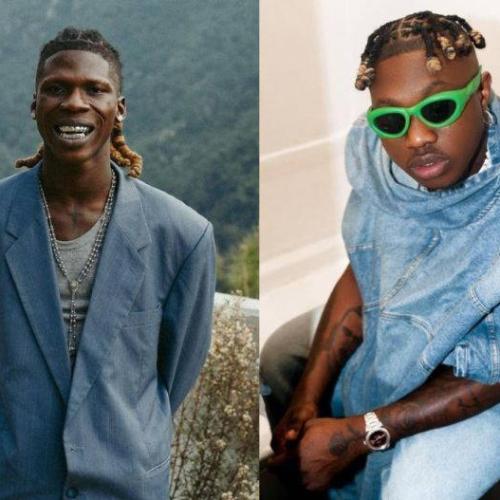
This variation complicates simple explanations: not all fading is forced; some of it’s voluntary, and sometimes that’s the smartest move an artist can make.
Common threads behind fading careers
Looking across these three trajectories reveals recurring causes:
- Contractual erosion of control. Artists who don’t secure rights to their name, masters or revenue streams risk being sidelined while the business exploits their catalog. Cynthia Morgan’s legal troubles illustrate how quickly visibility evaporates when the artist no longer controls the channels that build fame.
- Gatekeeping and industry culture. Whether it’s radio, promoters or informal networks, access matters. Terry G’s warnings about cultism and cliques, whether hyperbolic or literal reflect an industry where insider access can eclipse talent. When the system closes, visibility drops.
- Shifting tastes and the relentless churn. Pop culture’s appetite for new sounds and faces is voracious. Without constant reinvention, artists risk being replaced by fresher acts. This is as much about marketing and PR as it is music.
- Personal choice and reinvention. Banky W proves a “fade” can be a pivot. Moving into politics, education or entrepreneurship redefines success metrics. The public may count fewer hits, but impact can be broader and longer-term.
- Mental health, burnout and private life. Less often discussed publicly but common in industry interviews: stress, depression and the pressure to perform push artists into hiatuses that the media interprets as decline.
Lessons for artists, managers and fans
- Read every contract and hire competent legal counsel. The most avoidable fades come from signed mistakes. Ownership clauses, reversion rights and social account control are non-negotiable points. (Cynthia Morgan’s episode stands as a stark warning.)
- Diversify visibility. Don’t depend on a single gatekeeper. Build direct fan channels, mailing lists, YouTube, personal social brands so a blocked radio or promoter doesn’t mean invisibility.
- Be strategic about pivots. If stepping away is the plan, manage the narrative. Banky W’s public transitions from label boss to political aspirant and student were framed as evolution, and that matters.
- Address industry culture. The sector benefits when artists, managers and outlets push for transparency and fairness; otherwise, talent drains away.
Final word
Fading in Nigerian showbiz rarely has a single cause. The lives of Cynthia Morgan, Terry G and Banky W show that disappearance can be a legal strangulation, a cultural squeeze, or a chosen exit. The stories that stay with us aren’t always the loudest; sometimes they’re the ones you can’t hear because the paperwork, the networks, or new priorities have moved the actor offstage. Understanding those mechanisms gives us a clearer picture and might help the next star avoid the same fate.













Comments
No comments yet. Be the first to comment!