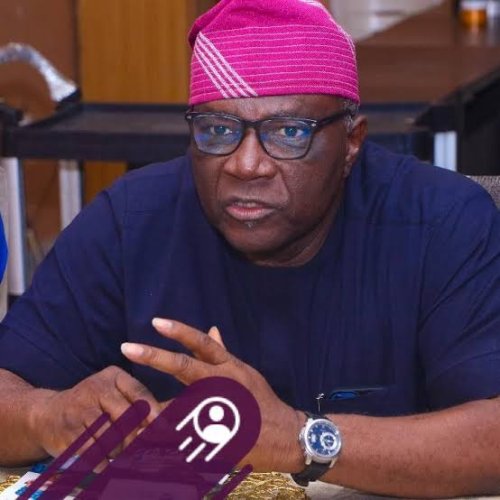

Presidential spokesman Bayo Onanuga has clarified President Bola Tinubu’s 2022 campaign remarks on electricity supply.
The statement follows renewed public debate over power sector performance.
In December 2022, during a business luncheon ahead of the 2023 election, Tinubu said: “If I don’t give you constant electricity for four years, when I come back for a second term, don’t vote for me.”
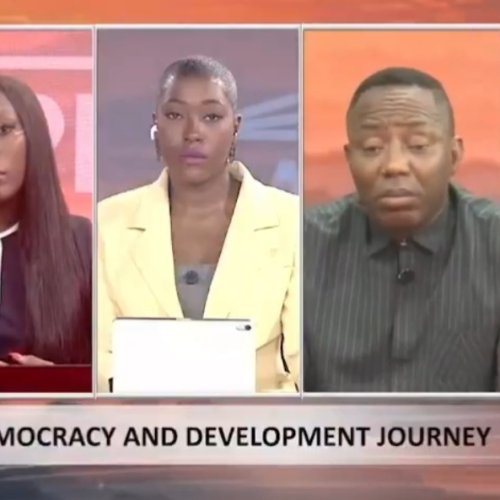
Onanuga, speaking on Arise News on Tuesday, argued the quote has been taken out of context. He insisted Tinubu made no outright pledge to abandon re-election.
The aide noted that critics often ignore the full context of inherited challenges. Tinubu had pledged improvements in power supply and an end to estimated billing.
Government efforts include mass production of meters distributed free by electricity companies. The Electricity Act signed by Tinubu allows states to independently generate, transmit, and distribute power.
Several states are already exploring opportunities under the new law.
Nigeria’s installed generation capacity stands at about 13,500 megawatts. However, actual output remains hampered by gas shortages and legacy debts over ₦4 trillion.
An outdated transmission grid adds to the sector’s longstanding problems.
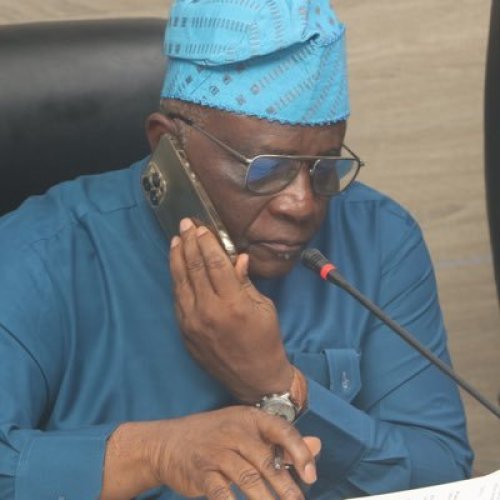
Onanuga acknowledged power supply has not met expectations yet. He blamed systemic issues dating back years.
The administration continues reforms targeting generation, transmission, and distribution. These aim to boost competitiveness and reliability nationwide.
Public reactions on X (formerly Twitter) reflect frustration. Many users recalled the campaign promise amid frequent blackouts.
Some posts highlighted persistent outages in various regions, questioning progress toward constant supply.
The controversy resurfaces as 2027 elections draw closer. Opposition voices and citizens continue to link daily hardships to unfulfilled pledges.
Tinubu’s team maintains commitment to sector transformation. Long-term targets include significant capacity growth by 2060.
Analysts note the power crisis affects businesses, households, and economic growth. Legacy debts and infrastructure gaps remain key bottlenecks.
Onanuga’s clarification seeks to separate campaign rhetoric from governance realities. It underscores inherited complexities in the electricity value chain.
Nigerians continue to await tangible improvements in daily power availability. The debate highlights accountability expectations in public office.












Comments
No comments yet. Be the first to comment!