

U.S. Pressures African Nations to Accept Venezuelan Deportees, Nigeria Pushes Back
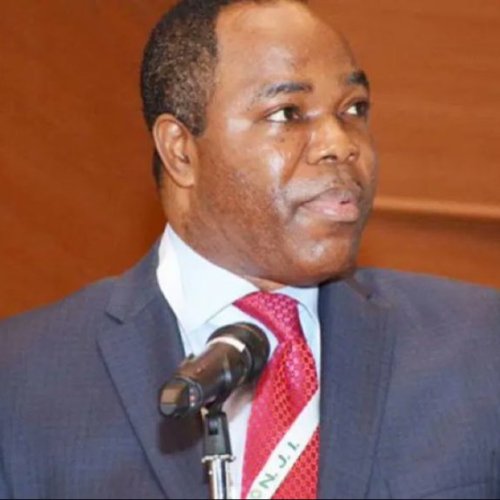
In a startling revelation, Nigeria’s Foreign Affairs Minister, Yusuf Tuggar, has exposed a controversial move by the United States to pressure African nations into accepting Venezuelan deportees, some of whom are reportedly prisoners. Speaking on Channels Television’s Politics Today on July 10, 2025, Tuggar disclosed that Nigeria, a nation already grappling with its own challenges and a population of 230 million, is firmly resisting this diplomatic arm-twisting. The news has sparked intense debate, raising questions about international relations, sovereignty, and the human cost of such policies.
The U.S., under the Trump administration, has intensified its crackdown on undocumented migrants, with a particular focus on Venezuelans. Many of these individuals, fleeing economic collapse and political turmoil in their homeland, have found themselves caught in the crosshairs of stringent immigration policies. Reports indicate that some deportees have been sent to El Salvador’s high-security prisons, accused of links to the notorious Tren de Aragua gang. However, evidence tying these individuals to criminal activity remains thin, with critics arguing the accusations are overstated, painting a troubling picture of potential human rights violations.

Tuggar hinted that the U.S. pressure on Nigeria might be tied to broader geopolitical tensions, possibly linked to Nigeria’s participation in the recent BRICS Summit. While he acknowledged that tariff disputes may not directly connect to BRICS, the timing raises eyebrows. Is this a subtle power play by the U.S. to assert influence over African nations aligning with emerging global blocs? The minister’s comments suggest a deeper diplomatic struggle unfolding behind closed doors.
For Nigeria, the stakes are high. Already stretched thin by internal challenges, including economic strain and security concerns, accepting foreign deportees—especially those with alleged criminal ties—could ignite domestic backlash. Tuggar’s firm stance reflects a broader sentiment among African leaders: sovereignty must not be compromised under external pressure. “We have our own issues to deal with,” he emphasized, a sentiment likely shared by other nations facing similar demands.

Meanwhile, Venezuela has recently agreed to resume accepting deportation flights from the U.S., following heated negotiations amid sanctions disputes. This development raises questions about why the U.S. is seeking African nations as alternative destinations for deportees. Are logistical challenges or political optics driving this unusual request? The lack of transparency only fuels speculation.
As this story unfolds, it underscores the complex interplay of migration, diplomacy, and power. Nigeria’s resistance could inspire other African nations to stand firm, potentially reshaping how global migration policies are negotiated. For now, the world watches as this diplomatic drama continues to unravel, with human lives hanging in the balance.








Comments
No comments yet. Be the first to comment!