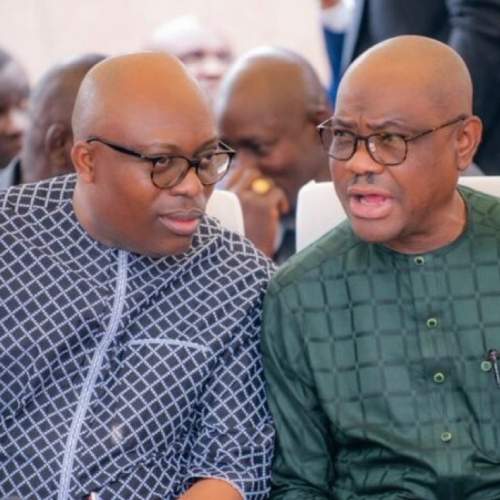

Nyesom Wike has openly confirmed that impeachment threats against Rivers State Governor Siminalayi Fubara were shelved only after an agreement that he would not seek re-election in 2027.
The revelation came as Fubara withdrew from the APC governorship primaries. Wike spoke to journalists in Abuja on May 25, 2026.
“I’m not surprised that the governor withdrew,” Wike said. “In the first place, he ought not to have collected the form because the agreement was reached that impeachment should be dropped while he should also not talk about a second tenure.”
This admission exposes the raw mechanics of Rivers politics. The long-running feud between Wike and his successor Fubara has dragged the state through crisis since 2023. Multiple impeachment attempts, court battles, and Assembly splits marked the period.
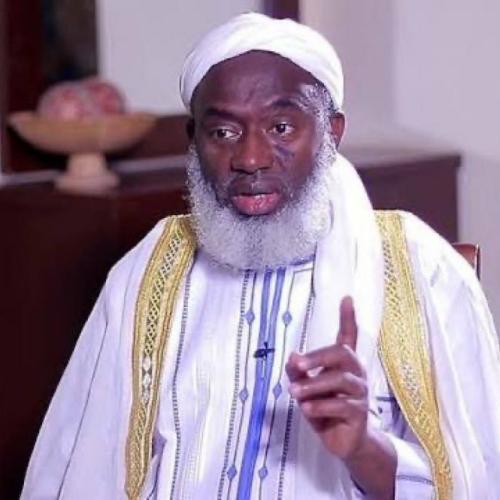
President Bola Tinubu intervened several times. One key moment came in early 2026 when the Rivers Assembly, led by Wike loyalist Martin Amaewhule, pushed fresh charges against Fubara and Deputy Governor Ngozi Odu. Allegations included gross misconduct and financial irregularities.
Moves to impeach were suspended around February 20, 2026, following presidential mediation. Wike now insists the truce carried a clear price: Fubara’s political exit after one term.
Fubara announced his withdrawal on May 20, 2026. He cited “conviction and sacrifice” for peace and unity in Rivers State. Many observers saw it as compliance with the unwritten deal.
Yet the development leaves a bitter taste. Critics argue it undermines democratic choice. One X user captured widespread frustration: “Democracy is in the mud.” Others questioned how a sitting governor could be boxed into a single term through backroom pacts.
Wike’s influence remains formidable. Kingsley Chinda, seen as aligned with him, emerged unopposed in the APC primary. Fubara loyalists reportedly lost out in several contests, further tightening Wike’s grip across party lines.
The scandal highlights deeper issues. Governance in Rivers suffered as both men focused on survival rather than delivery. Analysts note the state endured three years of distraction while infrastructure and services lagged.
Public affairs commentator Yusuf Haroun suggested Fubara may have accepted a single-term arrangement from the beginning as part of his emergence. Such claims fuel perceptions of elite horse-trading over voter will.
No formal signed document has surfaced publicly detailing the “no re-election” clause. Yet Wike treats it as binding. His blunt style leaves little room for ambiguity or pity.
Fubara now faces his final year in office with limited political capital. Supporters hope he can refocus on legacy projects. Detractors see a lame-duck leader stripped of ambition after bending to pressure.
The Rivers crisis, mediated repeatedly by Tinubu, exposes the fragility of godfather arrangements in Nigerian politics. As 2027 approaches, the real test remains whether ordinary residents benefit or simply watch another cycle of elite settlement.









Comments
No comments yet. Be the first to comment!