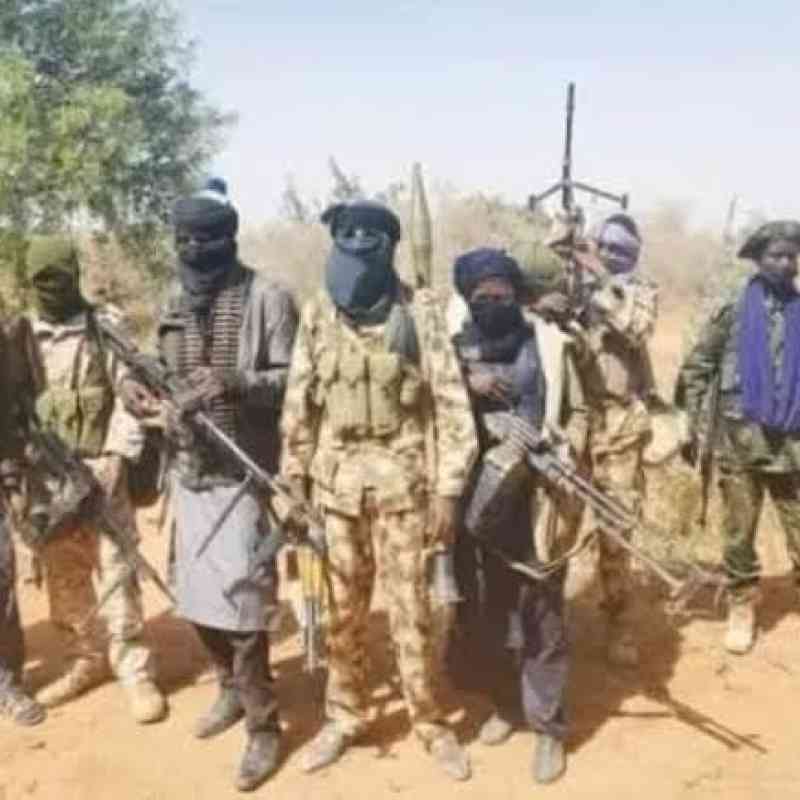
On Christmas Day 2025, President Donald Trump announced devastating U.S. airstrikes on Islamic State-linked camps in northwest Nigeria's Sokoto State.
In a fiery Truth Social post, Trump declared: "The United States launched a powerful and deadly strike against ISIS Terrorist Scum... who have been targeting and viciously killing, primarily, innocent Christians." He warned of more to come, even calling the timing a symbolic "Christmas present" to the militants in a later interview.
The strikes, coordinated with Nigerian forces, targeted groups like Lakurawa affiliated with Islamic State, killing multiple fighters according to U.S. assessments.
Trump framed it as retaliation for alleged persecution of Christians, a narrative he's pushed for months.
But experts and Nigerian officials counter that violence there affects Muslims and Christians alike, driven by banditry, ethnic clashes, and governance failures, not solely religious targeting.
Some locals in struck villages reported confusion and fear, insisting no ISIS presence was known in their peaceful areas.
In the aftermath, rumors swirled online about militants fleeing en masse.
Social media buzzed with claims of chaos in Sambisa Forest, a notorious Boko Haram/ISWAP stronghold in the northeast fueled by sightings of U.S. surveillance drones resuming flights days later.
Reports emerged of terrorists abandoning camps ahead of Nigerian ground offensives, with some allegedly relocating or seeking hideouts among civilians.
While no confirmed viral videos show a mass exodus tied directly to Trump's strikes, the attacks hit a different region, the heightened U.S. involvement has clearly rattled insurgent networks.
Critics slam Trump's rhetoric as oversimplified, potentially inflaming tensions.
Supporters hail it as bold action protecting the vulnerable.
As drone patrols intensify and Nigerian troops press advantages, one thing's clear: the jihadist landscape in Nigeria just got a lot more unpredictable.














Comments
No comments yet. Be the first to comment!