
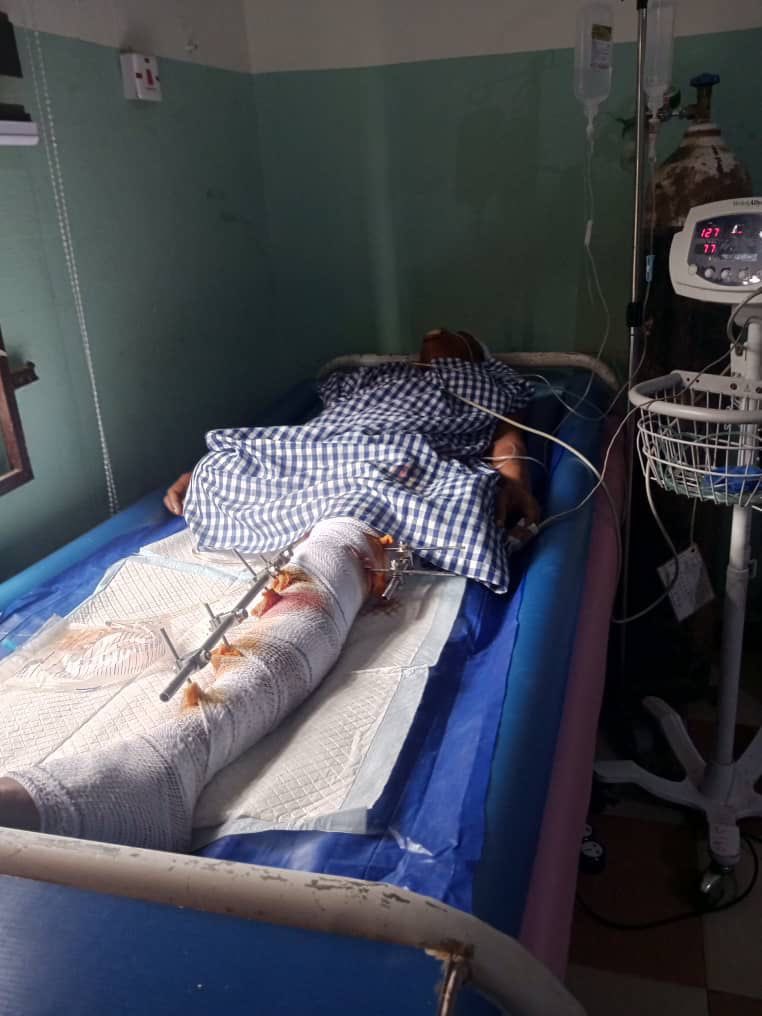
When reality TV star and Big Brother Naija Season 7 winner, Ijeoma Josephina Otabor, better known as Phyna, cries out on social media, it rarely goes unnoticed. But this time, it was not about a showbiz controversy or celebrity drama - it was about a personal tragedy that has shaken her family and ignited a heated public conversation. On August 13, 2025, her younger sister, Ruth Otabor, a fresh graduate of Auchi Polytechnic, was run over by a Dangote Cement truck in Edo State. The accident was so severe that doctors at Irrua Specialist Teaching Hospital had no choice but to amputate one of her legs, with her other leg and hand also seriously injured.
Phyna, devastated and furious, took to Instagram to call out the Dangote Group. In a strongly worded post, she accused the company of instructing police officers to remove the truck’s license plate number instead of focusing on her sister’s critical condition. Her words were sharp, echoing her raw pain: “From all that has happened, you decided to rather tell the Nigerian police to remove the plate number on the truck that crushed my sister… What happened to seeing my sister first?” For Phyna, the act was not just insensitive but a deliberate attempt to obscure accountability.
But her grievances did not stop there. She also claimed that Dangote representatives took photographs of her sister in the hospital and circulated them without family consent. To her, this was an additional violation, turning a private moment of trauma into a corporate press release. She slammed the company for disrespect, emphasizing that no pictures of her family should be taken or posted again. In her post, she questioned why her sister was suddenly being addressed formally as “Mrs. Ruth Otabor” in statements, suggesting an attempt to twist or control the narrative.

As her emotional outburst spread online, public sympathy poured in. Many Nigerians resonated with her frustration, not only because she is a well-known celebrity but also because Dangote trucks have long been linked with troubling road incidents. Social media timelines filled with messages of empathy, anger, and a renewed call for accountability from Nigeria’s biggest conglomerates. A user on Nairaland painfully recounted that Ruth’s injuries extended beyond the amputation, hinting at head trauma and further complications. The story touched a nerve, reminding many of how quickly lives can be altered by reckless driving and perceived corporate negligence.
In response to the mounting attention, the Dangote Group issued an official statement on August 15, 2025. They confirmed the incident and expressed regret, insisting they had already dispatched senior officials and insurance representatives to engage with law enforcement, visit the crash scene, and meet with Ruth and her family at the hospital. According to the company, they have pledged comprehensive medical support and appropriate compensation as part of their welfare policy. The tone was conciliatory, emphasizing concern and responsibility, but for Phyna, the response appeared far too polished and public-relations-driven for the gravity of her sister’s suffering.
The contrast between the emotional cries of a grieving sister and the carefully worded corporate statement fueled the scandal further. On one side was a beloved celebrity channeling her rage into social media posts that felt raw and unfiltered. On the other was Africa’s largest industrial group trying to steady the narrative with diplomacy. That tension alone kept the story alive in gossip circles, as fans dissected Phyna’s words and questioned whether Dangote’s actions were genuine acts of care or damage control.
This incident has become more than just a family tragedy; it has turned into a national talking point about accountability, road safety, and how corporations handle crises. For Phyna, the focus remains on justice and her sister’s recovery. For the Dangote Group, it is about balancing compassion with corporate reputation. And for Nigerians watching, it is another reminder that fame, money, or influence does not shield anyone from the harsh realities of the country’s roads.
At the heart of it all is Ruth Otabor, a young woman whose promising future was abruptly altered. While the scandal continues to swirl online, the true story is about her survival, resilience, and the fight to ensure her tragedy is not buried under headlines and corporate statements.









Comments
No comments yet. Be the first to comment!