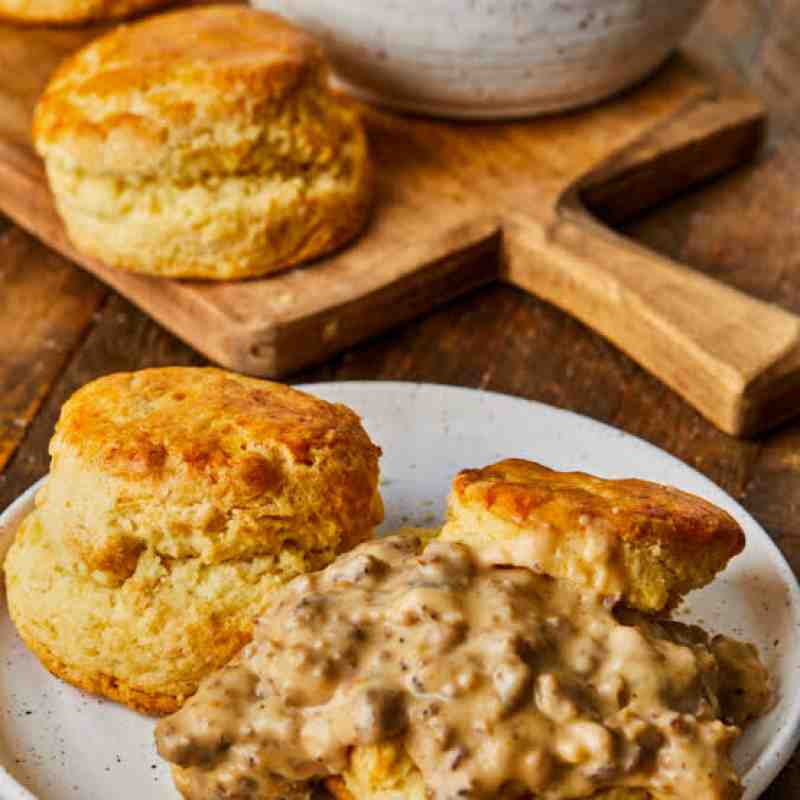

The origin of the biscuit
is a story of necessity rather than indulgence. Long before they became sugary treats for tea time, biscuits were engineered as the ultimate survival food for sailors and soldiers.
The Etymology of Endurance
The word "biscuit" derives from the Latin words bis (twice) and coctus I (cooked).literal "twice-baked" method was the secret to their longevity. By baking the dough twice, bakers evaporated almost all the moisture, creating a rock-hard product that could resist mold and rot for months, or even years.
The Ancient "Hardtack"
The earliest forms of biscuits date back to Ancient Egypt, where thin, dry cakes of grain were used by mariners. However, the Romans popularized a version called buccellatum
Mixing: Flour (usually wheat or barley) was mixed with a tiny amount of water and sometimes salt. No leavening agents like yeast or eggs were used.
The First Bake: The dense dough was shaped into flat rounds and baked at a moderate temperature.
The Second Bake: The rounds were placed back into a cooling oven for several hours to dry them out completely.
A Staple of the High Seas
By the Middle Ages, "ships' biscuits" became the standard ration for long-distance voyages.They were so incredibly hard that they earned nicknames like "molar breakers." To make them edible, sailors had to soak them in brine, coffee, or stew until they softened enough to chew.

Evolution into Confectionery
It wasn't until the 17th and 18th centuries that the biscuit began its transformation.
As sugar became more accessible and baking techniques refined, cooks began adding butter, cream, and dried fruits.
This shifted the biscuit from a dry, utilitarian brick into the crisp, sweet snack we recognize today
















Comments
No comments yet. Be the first to comment!