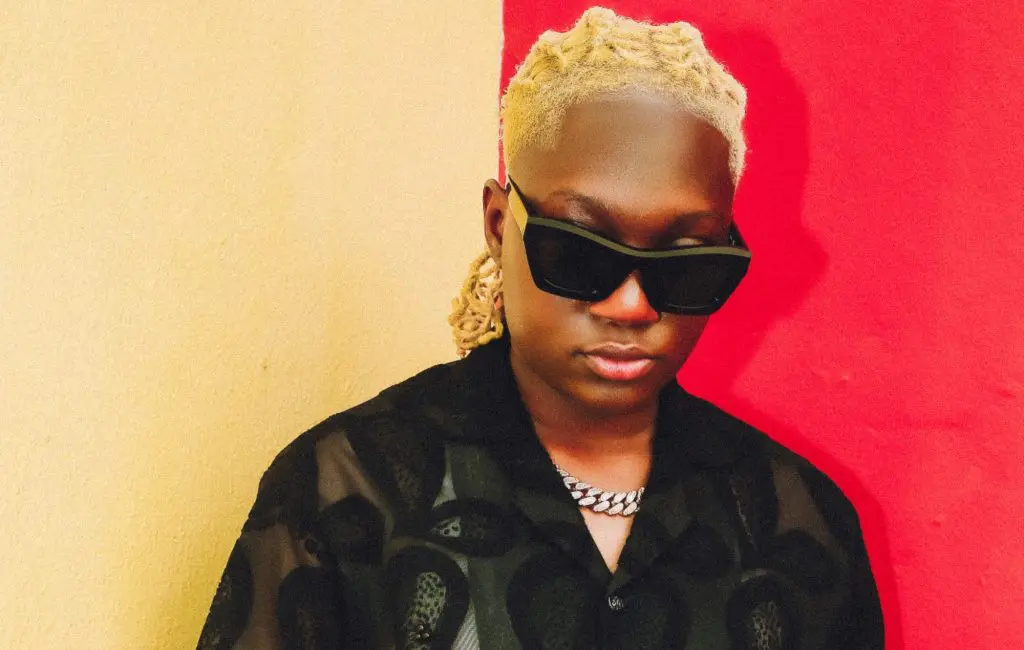
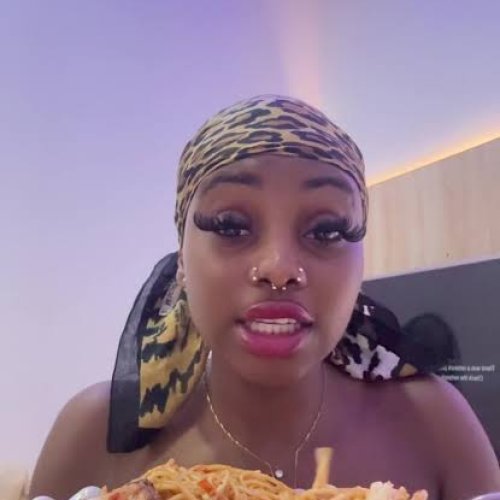
British-Nigerian rapper and singer Darkoo has ignited fresh debate on motherhood and personal choice after revealing in a recent statement that she’s ready to become a parent but isn’t open to carrying children in her own womb. The bold revelation from the UK-based hitmaker came as a surprise to many fans, sparking a flurry of conversations on gender roles, womanhood, and the evolving meaning of parenting in today’s world.
The “Gangsta” crooner, known for her androgynous style and fearless authenticity, reportedly expressed that while she desires to raise children, she doesn’t feel the need to go through the physical experience of pregnancy herself. For some, it’s a clear and courageous stand in a world that often ties womanhood to childbirth. For others, it's a statement that challenges deep-rooted cultural expectations, especially within African communities.
Although she didn’t delve deep into her reasons, some speculate the choice may be rooted in how pregnancy could affect her body, mental health, or even career momentum. Others have pointed to personal identity and freedom as key motivators. In today’s society, where more women are embracing options like surrogacy and adoption, Darkoo’s stance reflects a growing shift in mindset that says motherhood is about love and care, not necessarily the physical act of childbirth.
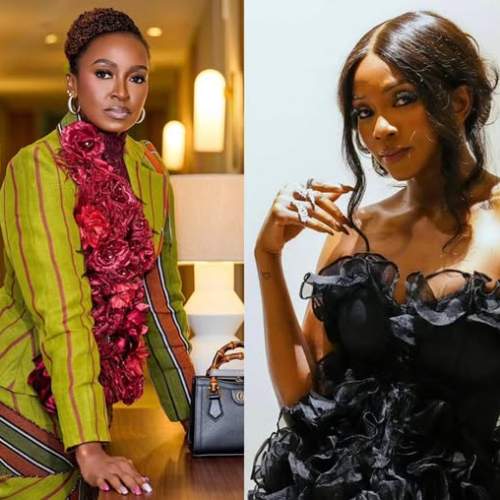
Interestingly, her comments echo sentiments made recently by Nigerian media personality Ifedayo Agoro, popularly known as DANG, who faced massive backlash after stating she plans to use a surrogate even though she’s physically able to carry a child. “I have a womb, I’m perfectly healthy, but I’m still going to use a surrogate,” Ifedayo boldly said. That single statement split public opinion down the middle,supporters praised her transparency and choice, while critics accused her of being lazy or trying to escape the “natural” role of a woman.
Reactions online have been mixed, as expected. While many fans applauded Darkoo for speaking her truth and prioritizing her comfort, others couldn’t hide their disappointment. A few users accused her of being out of touch with African values, while others went as far as to say she shouldn't talk about motherhood at all if she’s not ready to carry a child. But amid the judgment, a wave of empathy has emerged, with many women saying they feel seen by her words.
Now, with Darkoo’s voice entering the conversation, a new layer has been added to the growing conversation around bodily autonomy and how the next generation of women, particularly public figures,are rewriting the script on motherhood. What stands out most is the confidence with which these women are owning their decisions, unapologetically stating what they want without feeling the need to conform.
One Twitter user wrote, “People always talk about choice until a woman actually exercises it. Darkoo’s still gonna be a great mother,womb or no womb.” Another added, “This just shows how backward people still are. There are so many ways to bring a child into this world. Let her live.”
Darkoo has always marched to the beat of her own drum. From challenging gender norms in fashion to openly embracing her queer identity, she’s never shied away from pushing the boundaries of what is considered “normal,” especially for a woman of African descent. Her music career is filled with moments of boldness, and this moment is no different.
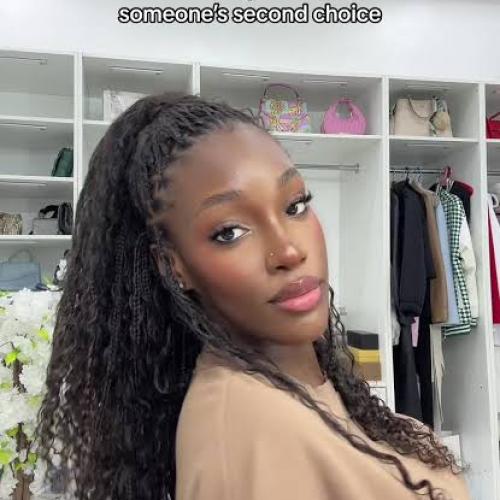
Whether the public agrees or not, what’s clear is that the conversation has shifted. Women like Darkoo and Ifedayo are forcing society to rethink long-held beliefs about motherhood, femininity, and freedom. The era of silently enduring social pressure is fading, replaced by a new generation of women who are unafraid to say, “This is how I want to live, and that’s okay.”
As Darkoo continues to dominate the airwaves and stages across the world, she’s also proving that the most powerful thing a woman can do is own her story,even if it challenges everything we’ve been taught.



Comments
No comments yet. Be the first to comment!