

National Grid Recovers After Post-New Year Collapse: Why Nigeria Faced a Total Blackout
ABUJA, Nigeria As Nigerians entered the first week of 2026, many were greeted not by the "brilliantly lit new year" promised by officials, but by a familiar, frustrating darkness. The national electricity grid suffered a major collapse in the final days of 2025, with lingering effects stretching into early January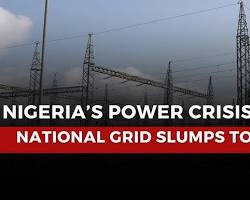
While the "NEPA" (now TCN and DisCos) has begun restoring power in major hubs like Lagos and Abuja, the reasons behind the recent blackout reveal a system still struggling with deep-rooted structural issues.

Why the Lights Went Out: 3 Key Reasons
- The "System Collapse" (December 29–30):
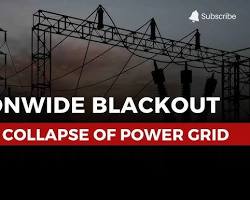
- The national grid essentially "tripped" on Monday afternoon after generation plunged from over 4,800MW to a staggering 139MW. Experts compare this to a household circuit breaker tripping when overloaded; the grid shuts itself down as a protective measure to prevent total equipment destruction.
- The Gas Crisis & Pipeline Vandalism:
- Despite having the capacity to generate 13,000MW, Nigeria currently relies on gas for over 80% of its power. A recent explosion on the Escravos–Lagos gas pipeline and unpaid debts to gas suppliers caused thermal plants like Egbin and Olorunsogo to go offline, leaving the grid "starved" of fuel.
- Liquidity and Debt:
- The "power value chain" is currently choked by debt. Gas companies are cutting off supply because they haven't been paid by GenCos (Generators), who in turn haven't been paid enough by DisCos (Distributors). This financial "bottleneck" means that even when the machines work, there is no money to buy the gas to run them
![]()
The Current Situation (January 4, 2026)
According to the latest data from the Nigerian Independent System Operator (NISO), the grid is slowly stabilizing.
- Current Generation: Approximately 4,824MW (as of yesterday).
- Hydro to the Rescue: Much of the current stability is coming from hydropower stations like Kainji and Jebba, which do not rely on gas.
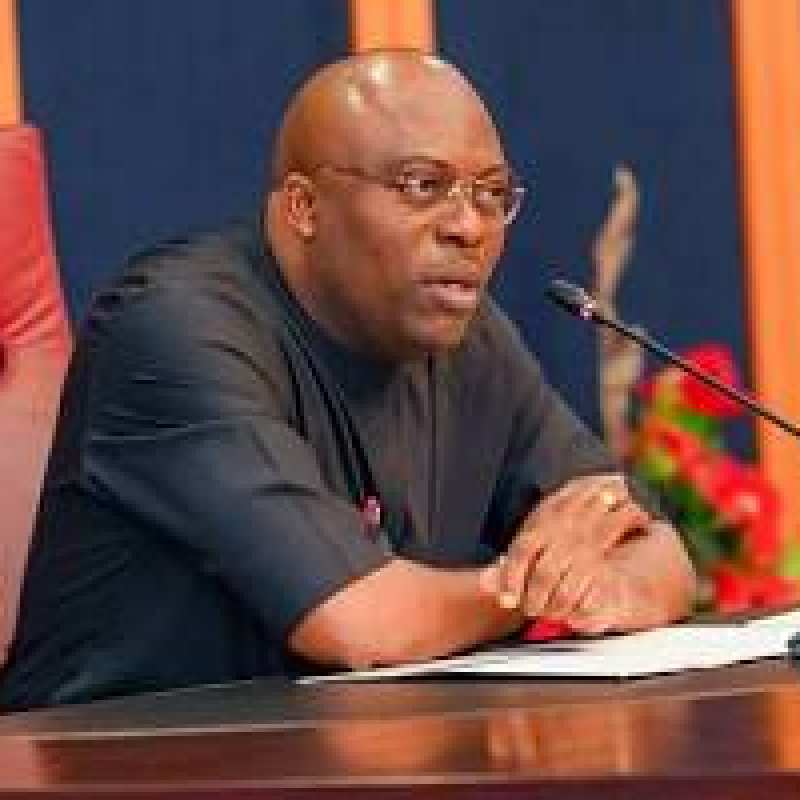
- The Government's Promise: Minister of Power, Adebayo Adelabu, issued a New Year message assuring Nigerians that 2026 will be the year grid disturbances become "a thing of the past" as the Siemens Power Project (PPI) enters its next phase.
What This Means for You
If you are still in darkness, it is likely due to "load shedding"—where DisCos distribute the limited power available in shifts—or local technical faults caused by the strain of the recent grid restart We have confronted complex challenges head-on... 2026 will bring more reliable, accessible, and sustainable electricity, Minister Adebayo Adelabu.














Comments
No comments yet. Be the first to comment!