

How to Fry the Perfect Egg: A Guide to Heat Control
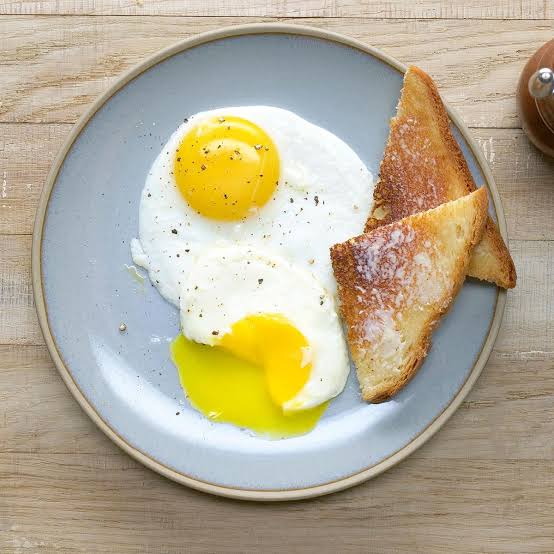
Frying an egg seems simple, but the transition from a perfect golden edge to a bitter, burnt crust happens in seconds. The secret isn't just the technique; it’s the patience.

Follow these essential steps to ensure a tender white and a silky yolk every time.
Control the Temperature
The most common mistake is a pan that is too hot. High heat toughens the proteins instantly.
- The Advice: Use medium-low heat. If the butter or oil starts smoking, your pan is too hot. Remove it from the burner for 30 seconds before cracking the egg.
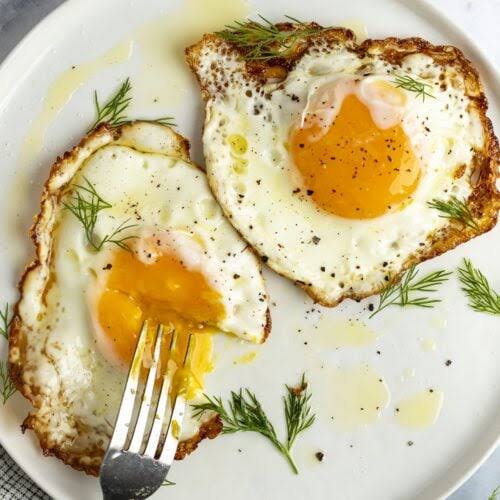
Choose the Right Fat
While oil works, butter is the best indicator of temperature.
- The Advice: Add a pat of butter to the pan. Once it melts and begins to foam—but before it turns brown—it is the perfect time to drop the egg. The foam acts as a thermal buffer, protecting the delicate egg whites.
The "Low and Slow" Technique
A burnt egg usually suffers from a "bubbly" bottom caused by steam escaping too violently.

- The Advice: Crack your egg into a small bowl first, then gently slide it into the pan. This prevents the edges from spreading too thin and burning. Let it cook undisturbed until the whites are opaque.

Use the Steam Method (The Pro Trick)
To cook the top of the egg without flipping it (and risking a broken yolk or a burnt bottom), use steam.1
- The Advice: Add half a teaspoon of water to the edge of the pan and immediately cover it with a lid for 30–60 seconds. The steam will cook the top of the whites perfectly while keeping the bottom soft and golden.
Residual Heat is Your Friend
- The Advice: Turn off the burner about 30 seconds before you think the egg is done. The heat trapped in the pan will finish the job gently, preventing the edges from crisping into a burnt lace.
Respect the heat. A perfect fried egg should be silent in the pan; if it’s "screaming" (hissing loudly), it’s burning.










Comments
No comments yet. Be the first to comment!