

The Nigerian telecommunications network is
currently navigating a period of significant instability as of early January 2026. If you are experiencing dropped calls, slow data, or total service blackouts, it is likely due to a combination of infrastructure challenges and economic tensions.
Here is a breakdown of what is happening to the network right now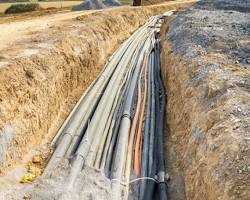

1. The "Diesel Crisis" and Power Outages
The most immediate cause for recent network failures, particularly in major cities like Abuja and Lagos, is a disruption in the supply of diesel.
- The IHS/NOGASA Dispute: A conflict between the National Oil and Gas Suppliers Association (NOGASA) and major tower companies like IHS Nigeria has led to restricted diesel deliveries.
- Tower Shutdowns: Because Nigerian base stations (masts) rely heavily on diesel generators due to unstable grid power, hundreds of sites have been forced to "shed service" or shut down entirely when fuel runs out.
2. Massive Surge in Fibre Cuts
Recent industry reports from the NCC highlight that Nigeria’s network suffered over 118 major outages in December 2025 alone.
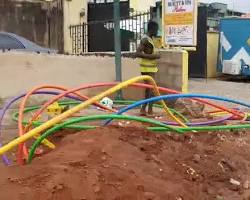
- Construction & Vandalism: Rapid road construction across the country and increased incidents of vandalism have led to a record number of fibre-optic cable cuts.
- The Impact: When a "backbone" fibre cable is cut, it doesn't just affect one street; it can slow down data speeds for entire states as the network tries to reroute traffic
![]()
3. The "Tariff War" and Industry Strain
There is a quiet battle happening between the Telecommunications Operators (MTN, Airtel, Glo, T2) and the government.

- Stagnant Prices: Operators argue that because they haven't been allowed to increase call and data tariffs in over 11 years (despite the Naira’s devaluation), they lack the funds to maintain and upgrade equipment.
- Service Quality: The Association of Licensed Telecommunications Operators of Nigeria (ALTON) recently warned that without a price adjustment, "service shedding" (intentional degradation of service to save costs) might become more frequent in 2026.
4. Subsea Cable Maintenance
Early 2026 has also seen some internet fluctuations due to ongoing repairs on the WACS and SAT-3 undersea cables. While most traffic has been rerouted, users may still experience higher "latency" (lag) when accessing international websites or gaming servers.
Summary of the Network Status
Issue Primary Cause Current Status Call Drops Diesel supply bottlenecks Ongoing (especially in Abuja/North)Slow Data Multiple fibre cuts & subsea repairsFluctuatingRebranding9mobile became T2Complete (now roaming on MTN)Investment2,800+ new sites built in 2025 Active but struggling with costsThe "Starlink" Silver Lining
To bypass these ground-based issues, the NCC has officially pivoted toward Satellite-to-Mobile (Direct-to-Device) technology in its 2026 roadmap. This means in the near future, your standard mobile phone will be able to connect directly to satellites (like Starlink) when local towers fail.











Comments
No comments yet. Be the first to comment!