

Yes, using a CNG Compressed Natural Gas car in Nigeria is generally safe
provided you follow the strict regulations introduced between 2024 and 2026. Statistically, CNG is considered 30% to 40% safer than petrol because it is harder to ignite and disperses quickly if there is a leak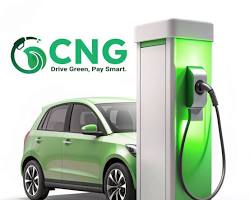
However, safety in the Nigerian context depends entirely on how the car was converted.

1. Why it is Safe The Facts
High Ignition Point: CNG requires a temperature of about 540°C to ignite, while petrol can ignite at 250°C This makes gas cars much less likely to catch fire in a minor accident.
Lighter than Air If a leak occurs, CNG rises and disappears into the sky. Petrol stays on the ground in a puddle, creating a massive fire hazard.
Indestructible Tanks Genuine CNG cylinders are "seamless" (no joints) and made of high-strength steel or carbon fiber. They are crash-tested to survive impacts that would easily crush a regular petrol tank
2. The 2025/2026 "No-Go" Zones
The incidents you may have heard about (like the 2024 explosion in Benin City) were almost always caused by:
Roadside Welders: Using a tank fabricated by a local welder instead of a factory-made cylinder
Cooking Gas Cylinders Trying to use a domestic cooking gas (LPG) tank in a car. LPG tanks are built for 30 bar of pressure; CNG tanks are built for 200–300 bar Using a cooking gas tank in a car is essentially making a bomb.

Old Tanks Using second-hand cylinders that have passed their 15-year lifespan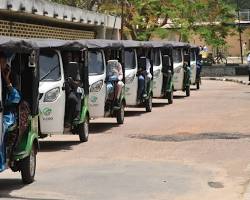
3. How to Stay Safe in Nigeria 2026 Checklist
To ensure your safety, the Presidential CNG Initiative PCNGi and SON now mandate:
1. Patronize Only Accredited Centers: Never use a "roadside" mechanic. In Lagos, certified centers include Mezovest (Ajah) Portland (Ojota), and Femadec (Lekki/Ibeju).
2. Verify the Cylinder Ensure your cylinder has a SON-approved certificate. It must be seamless and have no weld marks.
3. The "NGVMS" Check: Most modern stations now use the Nigerian Gas Vehicle Monitoring System which may block your car from refueling if your conversion kit isn't registered in the national database.
4. No Smoking/Phones: Always switch off your engine and avoid using mobile phones or smoking at the refueling station.
Summary Table: CNG vs. Petrol Safety
| Feature | CNG (Gas) | Petrol (PMS)
- Ignition Temp ~540°C (Safer) ~250°C (Riskier)
- Tank Strength Bullet-resistant/High pressure Thin metal/Plastic
- Leak Behavior Rises and vanishes Pools on the ground
- Main Risk Poor installation/Fake tanks Fuel theft/Spillage fires















Comments
No comments yet. Be the first to comment!