

Former Commissioner for Information in Edo State, Kassim Afegbua, has stirred reactions with a bold remark concerning the Economic and Financial Crimes Commission (EFCC) and its leadership structure. Speaking during a recent interview, Afegbua claimed that no head of the EFCC should be expected to perform miracles while earning a monthly salary of just N1.5 million.
His statement came in the wake of rising public frustration over the pace and effectiveness of the anti-corruption fight in Nigeria. Afegbua, known for his blunt takes on national issues, argued that expecting world-class results from someone whose official earnings barely sustain an upper-middle-class lifestyle is both unrealistic and unfair.

He emphasized that corruption in Nigeria is deeply entrenched and requires more than just verbal commitment from the government. According to him, “You can’t ask someone to go into a lion’s den with a feather. If the person heading EFCC is poorly paid and not given the tools and motivation, how do you expect him to go after the real financial criminals who are backed by serious power and influence?”
Afegbua didn’t stop there. He noted that when top government officials, lawmakers, and directors in parastatals are living extravagantly, it’s demoralizing and suspicious to place the EFCC boss in a financially tight corner. He asked the hard question many have been avoiding: What kind of institutional support are we really giving to the anti-graft agency?
His comments also cast a spotlight on the broader challenge of public sector motivation and how it affects performance. In his words, “The government needs to show seriousness. Empower the EFCC, fund them well, pay their officials properly, and then hold them to high standards. You can’t keep feeding them crumbs and expecting them to hunt giants.”
Afegbua also hinted at the risk of internal compromise if the agency’s leadership is underpaid. He said it becomes easier for big-time fraudsters to manipulate officials when their financial positions make them vulnerable. “Underpayment opens the door for temptation. Let’s not pretend about it,” he added.
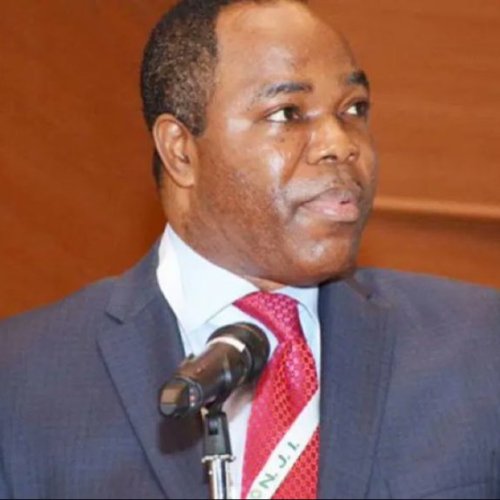
Reactions to his statements have been mixed. Some Nigerians agree with him, saying financial empowerment is key to accountability. Others argue that patriotism and integrity, not fat salaries, should drive public service. However, what remains clear is that his statement has reignited debate about how serious the Nigerian government really is about fighting corruption.
As the country continues to battle economic hardship and systemic fraud, the question remains: Can underpaid watchdogs truly protect the nation from financial wolves? Afegbua doesn’t think so. And many Nigerians, judging by their frustration with recent corruption cases, might just agree.









Comments
No comments yet. Be the first to comment!